Understanding the Basics of HVAC Systems for Homeowners
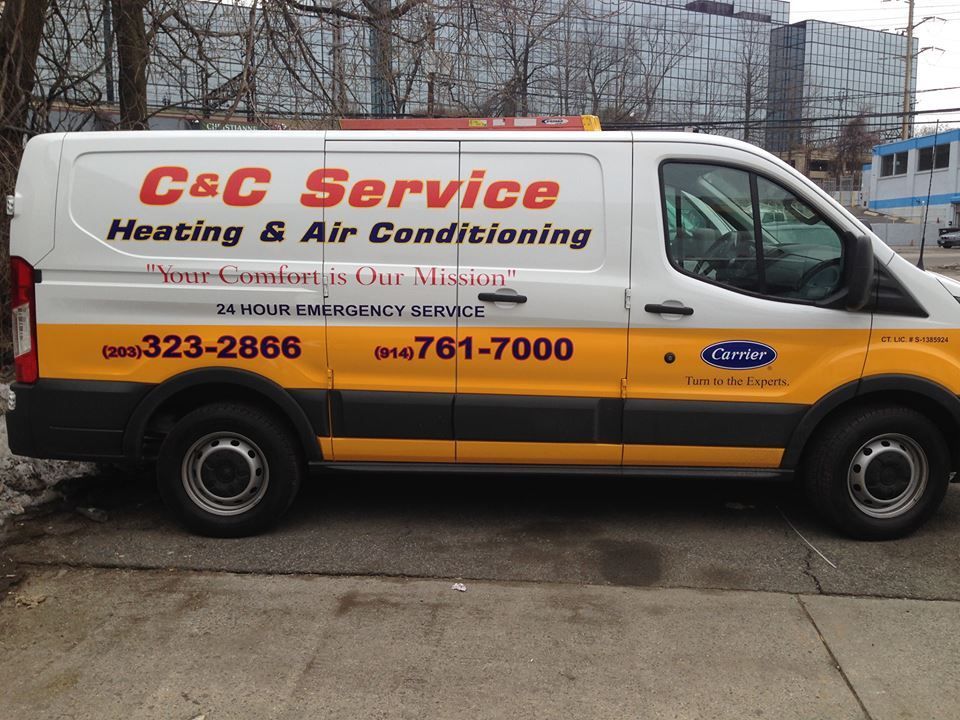
Reliable climate control helps keep your home and its occupants comfortable throughout the year. Understanding the basics of heating and cooling equipment allows you to recognize when a professional service is required. At C & C Service, our technicians help homeowners understand their systems, and we deliver professional installations that match the specific needs of your property. Here's some information about the basics of HVAC systems:
Understanding System Components
Residential HVAC systems rely on several specialized components that work together, and each part plays a role in regulating your indoor climate. Heating equipment generates internal warmth during the winter. Cooling equipment removes excess heat from your indoor air during the summer. Ventilation units cycle the air through your vents, and they help stop odors or moisture from building up in closed rooms.
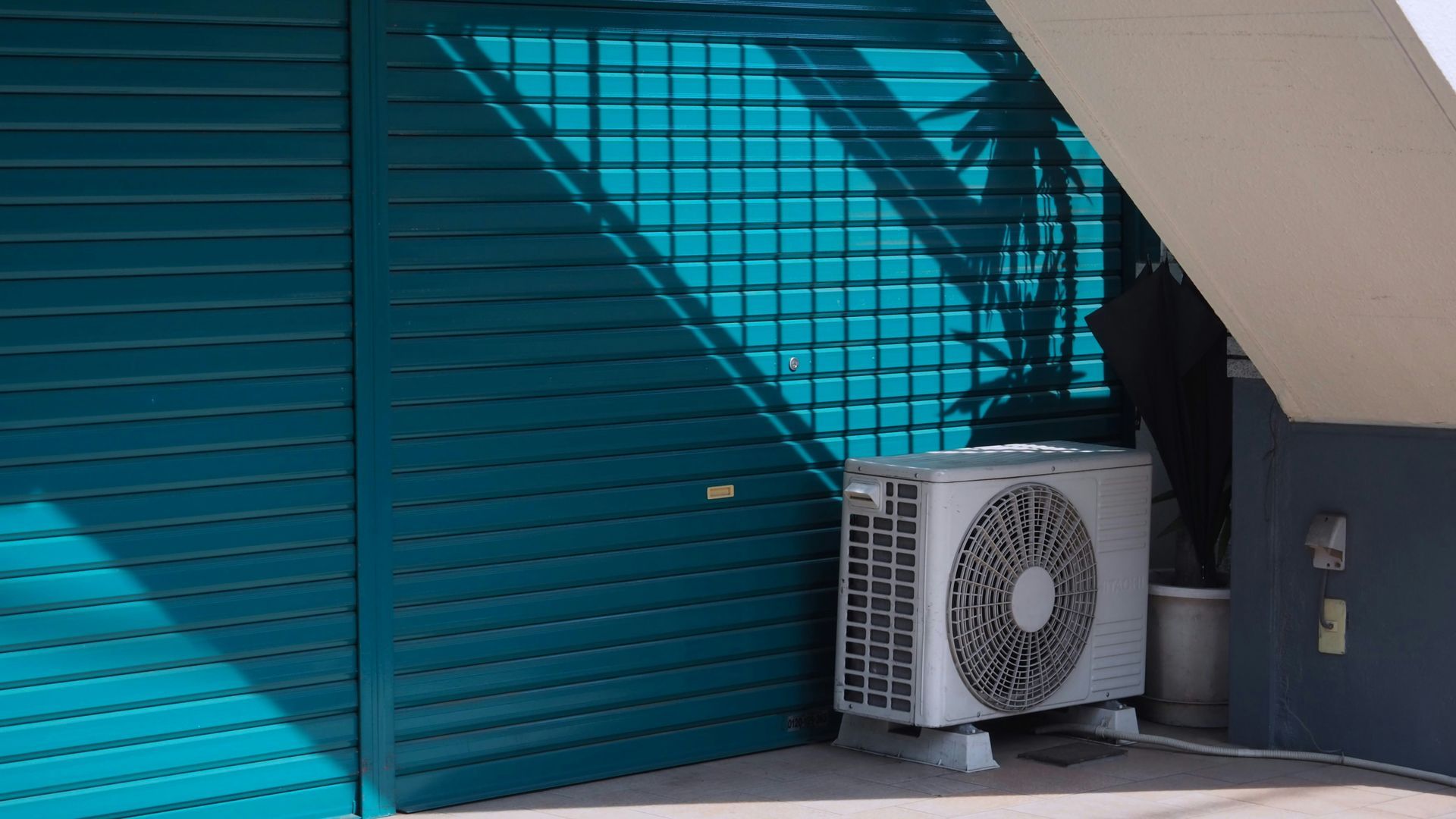
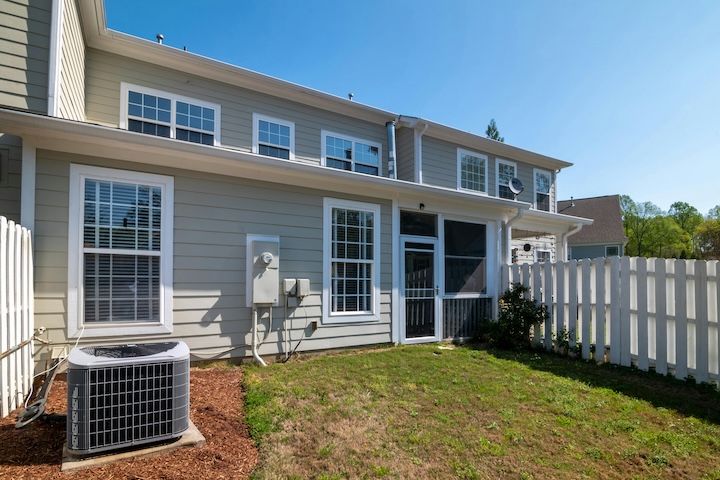
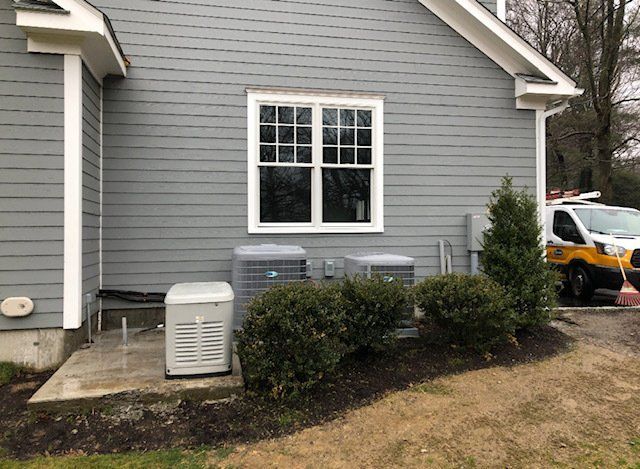
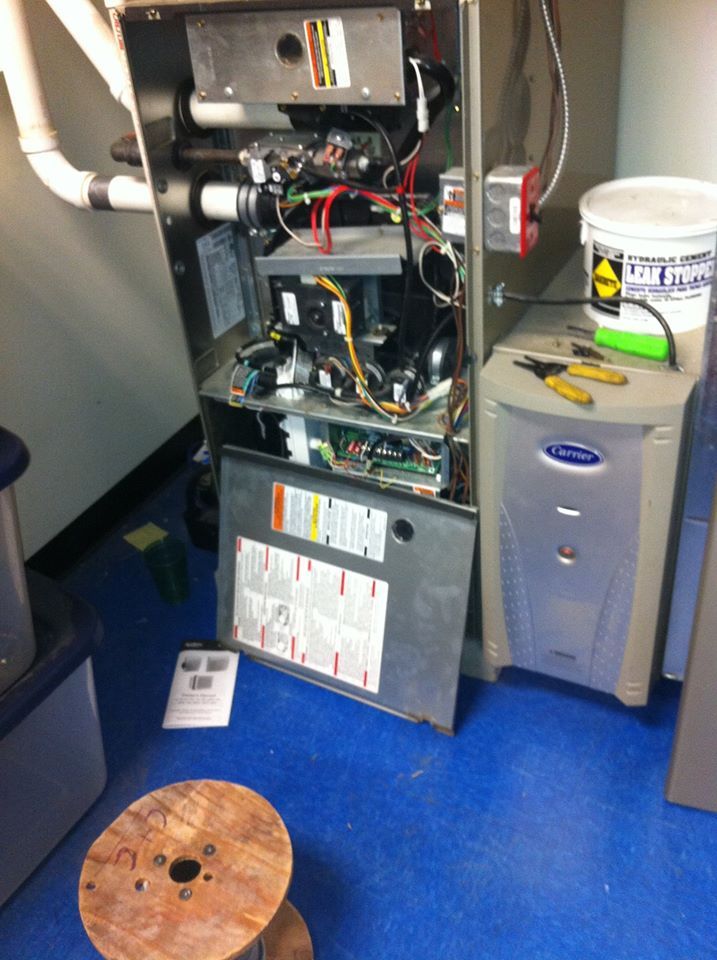
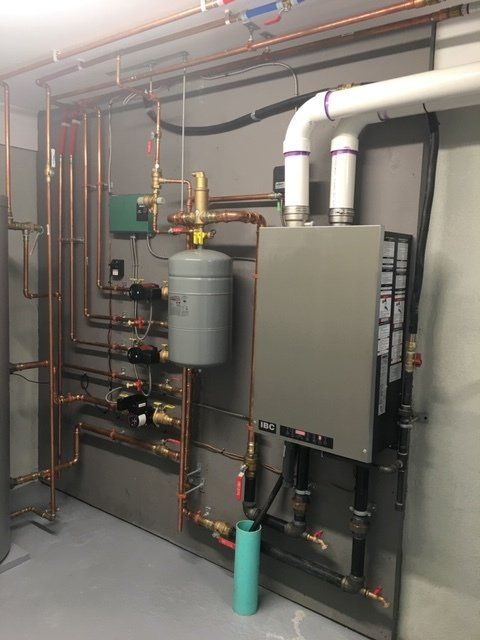
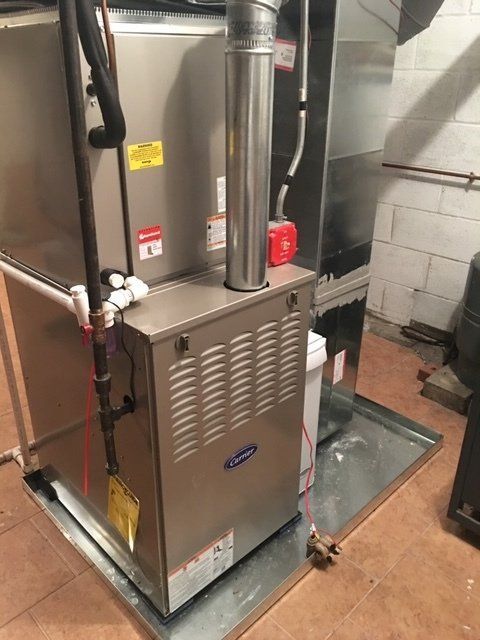
Furnaces are often used for heating. They distribute warm air through metal ductwork. Boilers heat water instead of air, and they deliver warmth through radiators or baseboard systems. Air conditioners remove humidity from your indoor environment. They release captured heat through an external condenser unit.
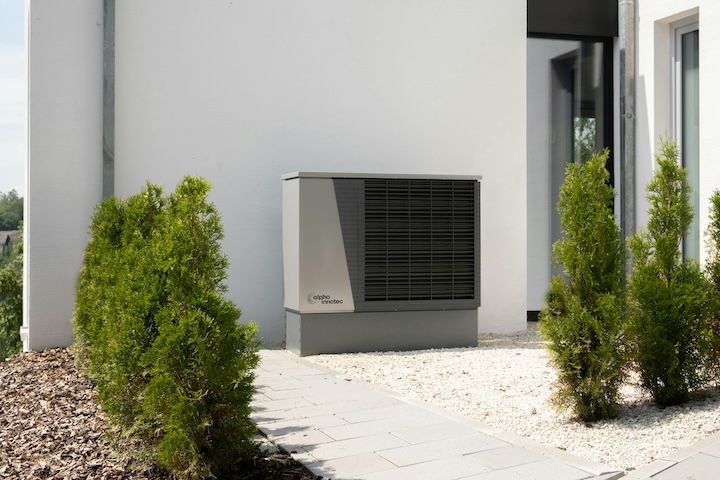
Heat pumps transfer existing heat rather than generating it from fuel. Air handlers move the conditioned air through vents, and they maintain a consistent air flow across the entire system. Thermostats control your temperature settings, which signal the equipment to turn on or off based on the real-time needs of your household. Modern programmable models allow for custom scheduling, which enables you to match the unique heating or cooling needs of your household.
Evaluating Heating and Cooling Processes
Heating and cooling rely on distinct mechanical processes and work together to maintain a stable indoor environment. A furnace creates heat through combustion or electrical resistance. This thermal energy is transferred to the air. The heated air is pushed through ducts into your living spaces, and it replaces colder air to raise the overall temperature. Air conditioning systems use chemical refrigerants to absorb and release heat. Indoor coils pull thermal energy directly from the air.
Outdoor coils release that heat outside your home, which continues until your thermostat reaches the target setting. This process also removes moisture, and it prevents your home from feeling humid during the summer months. Ventilation removes stale air while bringing in filtered air when needed. Balanced air flow can improve your indoor air quality, and it helps maintain consistent temperatures across every room in your house. Additional ways heating and cooling systems work include:
- Blower assemblies use fans to circulate air, and they allow treated air to reach all areas of your property.
- Return ducts pull air from your rooms back into the system, and this creates a continuous loop of filtration and temperature adjustment.
- Flue pipes exhaust combustion byproducts from your furnace, which may prevent carbon monoxide from entering your living areas.
Confirming Proper Installation
Correct installation affects long-term system performance, as improperly sized equipment may create regulation problems. Oversized units sometimes cycle on and off too frequently. This reduces overall energy efficiency while increasing mechanical wear. Undersized systems may run constantly. They often struggle to maintain a steady temperature during extreme weather. Professional installation allows your equipment to match the specific size and layout of your home. Proper duct configuration also supports even airflow. Secure connections prevent air leaks and energy loss, and correct calibration allows the system to respond accurately to your thermostat settings.
Maintaining System Performance
Consistent care helps extend the total lifespan of your HVAC machinery. Air filters should be checked regularly. Clogged filters restrict the system's airflow, and this forces the motor to work harder. Extra strain may increase wear on sensitive internal components. Clean filters maintain proper circulation, which supports higher indoor air quality by trapping airborne particles.
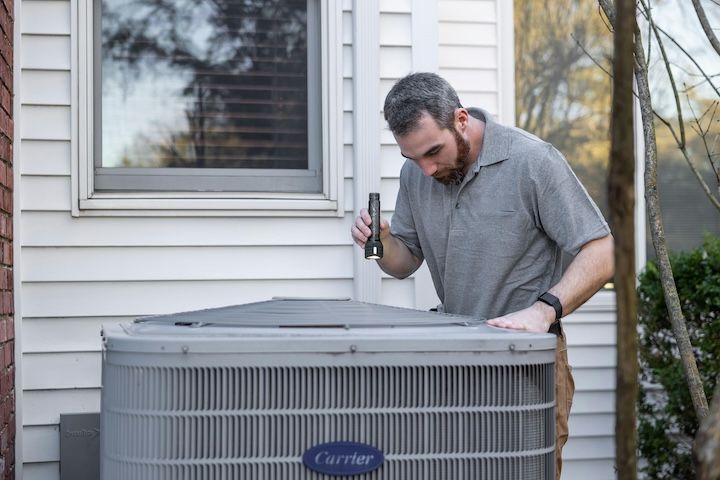
Professional inspections evaluate mechanical parts. Technicians look for early signs of corrosion or metal fatigue. They check refrigerant levels during these visits, and they may test electrical connections for fire safety. Proper lubrication helps moving parts operate smoothly. Calibrated controls maintain accurate temperature regulation across your thermostat settings. At C&C Service, our technicians perform preseason inspections, which help identify developing issues before they escalate into bigger repairs.
Explore Professional HVAC Support Today
Understanding how HVAC systems operate allows homeowners to make informed decisions about long-term maintenance, and prompt professional evaluations can identify the source of any issues. At C & C Service, our experienced technicians provide knowledgeable support designed to keep your machinery running smoothly. Contact C & C Service today to learn how professional HVAC solutions can help maintain your property's comfort in every season.