How Proper HVAC Installation Improves Energy Efficiency
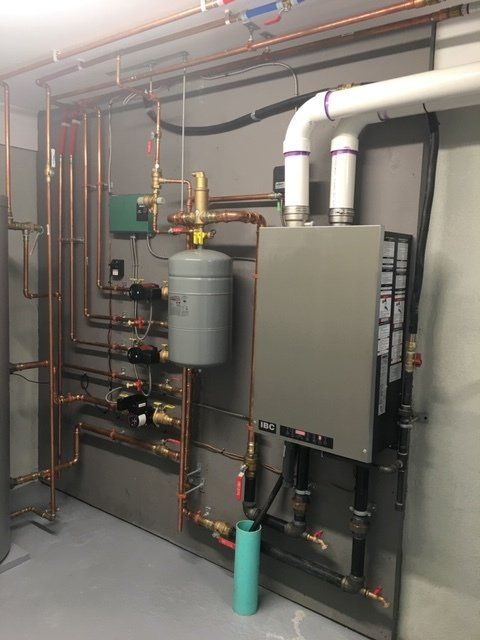
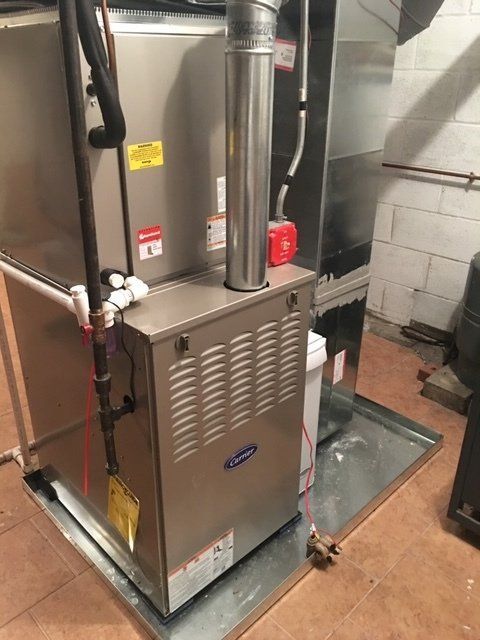
When an HVAC system is properly installed, it operates at peak efficiency. It helps maintain consistent indoor temperatures, and this reduces unnecessary energy consumption. Improper installation can lead to air leaks and short cycling. At C & C Service, our team uses correct sizing, precise setup, and ongoing maintenance to make sure systems operate as designed. Here’s how proper HVAC installation improves energy efficiency:
Correct System and Load Calculations
HVAC installation requires accurate load calculations. This process evaluates factors such as square footage, insulation levels, window placement, and air leakage. It also includes local climate conditions, and this helps to determine the appropriate system capacity.
When a system is too large, it may cycle on and off frequently, known as short cycling. An issue like short cycling wastes energy, increases wear on components, and reduces humidity control during cooling seasons. An undersized system runs continuously in an attempt to maintain temperature; this leads to excessive energy use.
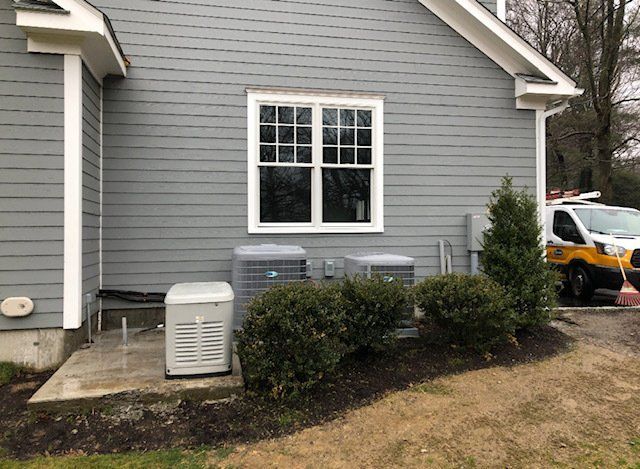
Professional installation makes sure that heating and cooling equipment match the demands of the home. Correct sizing allows the equipment to maintain steady operation and reduce energy waste, and this delivers consistent performance throughout the year. At C & C Service, our team focuses on installing properly sized systems that operate efficiently.
Proper Ductwork and Airflow Optimization
Improper duct installation can result in energy loss due to leaks and poor airflow distribution. When conditioned air escapes into attics, crawl spaces, or wall cavities, the system must work harder to achieve a specific temperature. Professional HVAC installation addresses duct layout and insulation, helping to minimize air leakage. Properly sealed ducts prevent energy waste, and a balanced airflow makes sure that each room receives the correct volume of heated or cooled air. This prevents temperature inconsistencies that often cause homeowners to adjust thermostats unnecessarily.
Proper installation enables the HVAC system to support energy efficiency through installation; the quality accounts for airflow dynamics and system performance. When ductwork is installed and sealed correctly, the heating and cooling system operates under optimal pressure conditions. This helps improve the equipment's lifespan.
Equipment Calibration and System Configuration
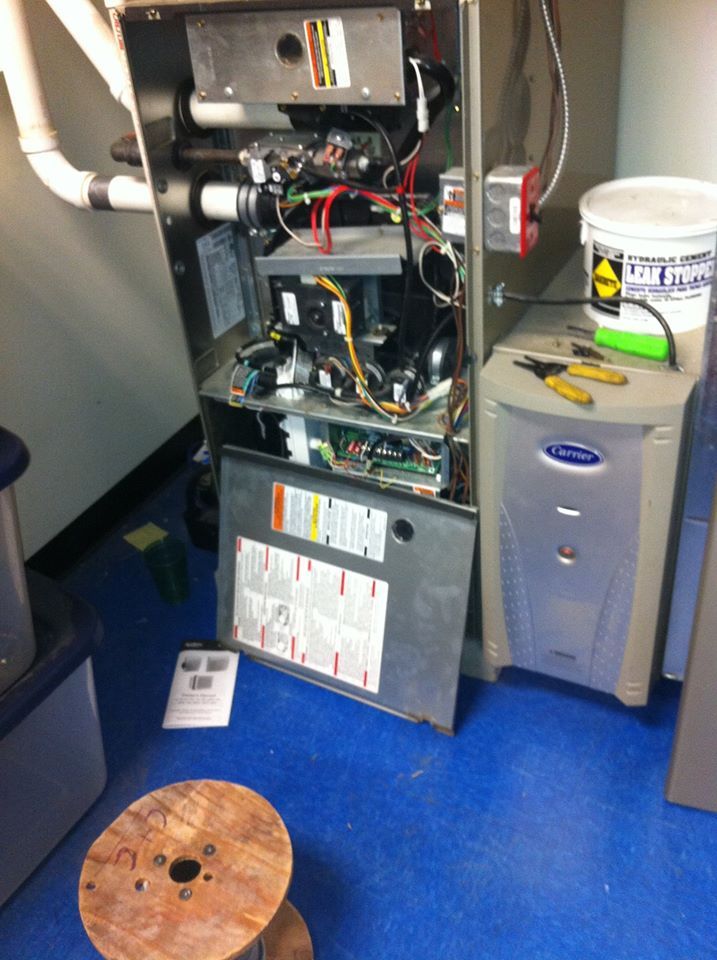
Proper system configuration includes calibrating thermostats, verifying refrigerant levels, and setting airflow speeds. This helps make sure that electrical connections are secure, and it maintains equipment compliance with manufacturer specifications. An incorrect refrigerant charge can reduce cooling efficiency. Too much or too little refrigerant forces the compressor to work harder, increasing energy use and shortening equipment life. Improperly configured blower motors disrupt airflow, and this causes uneven heating or cooling.
Professional installation makes sure that all system components function as an integrated unit. Technicians performing residential services help fine-tune equipment for maximum efficiency. Proper calibration allows the system to operate within its intended performance range, and this reduces unnecessary energy loss.
Modern HVAC systems often include programmable or smart thermostats. When installed correctly, these devices help regulate energy use by optimizing heating and cooling cycles based on occupancy patterns and seasonal needs. Proper setup allows homeowners to benefit from advanced efficiency features.
Ongoing Maintenance and Installation Efficiency
Regular maintenance addresses issues before they escalate. Issues may include dirty filters, which restrict airflow and force the system to consume more energy. Any debris on coils reduces heat-transfer efficiency and can increase operational strain. Routine service includes:
- cleaning coils
- inspecting electrical components
- checking refrigerant levels
- replacing filters
- testing system performance
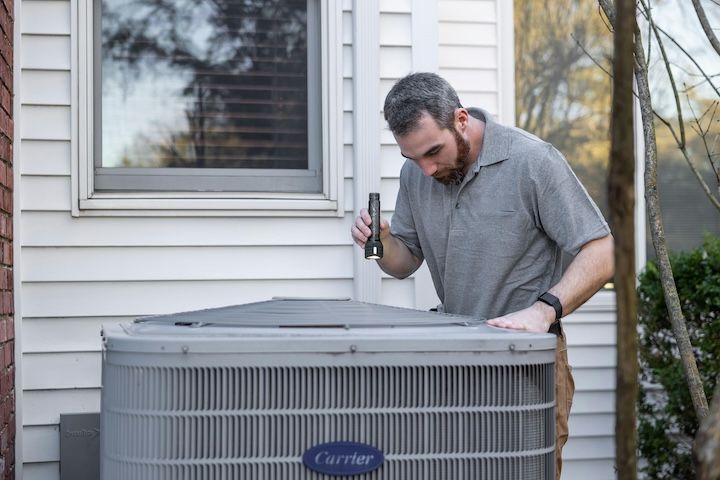
Technicians offer preventative maintenance and air conditioning services, and these are designed to support long-term system performance. These programs help identify small inefficiencies early, preventing them from developing into energy waste. Maintenance keeps systems current with the manufacturer's efficiency standards. During seasonal inspections, professionals may review burners, heat exchangers, and safety controls. This makes sure they operate correctly and reduce unnecessary strain on components.
Use Professional HVAC Installation Services
Energy efficiency includes a correct system design, installation, and maintenance. Proper sizing prevents excessive cycling, and a well-designed ductwork minimizes air loss. Professional HVAC installation makes sure that every stage of the process contributes to reduced energy consumption and optimized system output. By combining expert residential heating services, air conditioning maintenance, and preventative maintenance programs, technicians support homeowners in maintaining performance year-round. Contact one of our team members at C & C Service for our heating and cooling systems. We’ll make sure it’s installed properly for maximum efficiency.