4 Benefits of Upgrading Your HVAC System
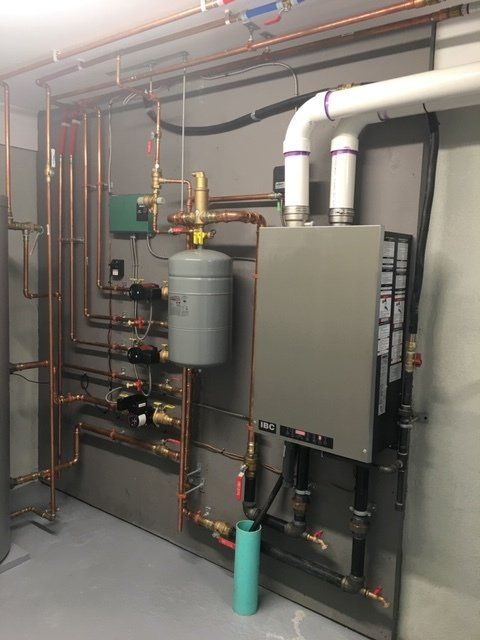
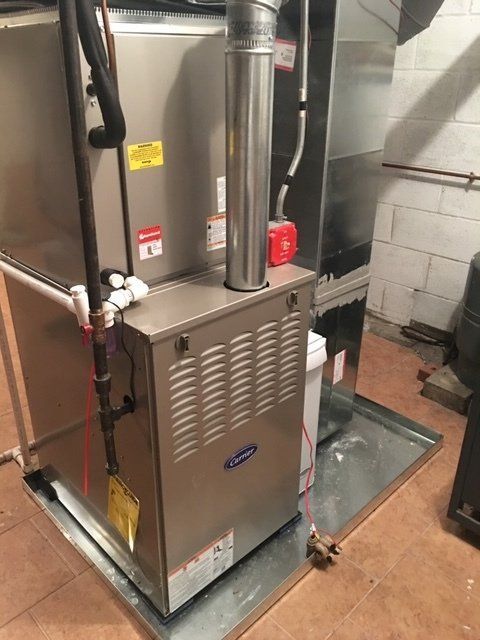
An HVAC unit plays a key role in system performance, energy use, and long-term functionality. Some systems operate more efficiently; they may have updated components and comply with current maintenance standards. When paired with professional installation and regular servicing, an upgraded system helps improve airflow, reliability, and operational efficiency. At C&C Service, we offer updated HVAC systems and maintenance service plans for both homeowners and commercial properties. Here are several benefits of upgrading your system:
1. Improved Energy Efficiency
Upgrading your HVAC system helps improve energy efficiency. Older systems may struggle to maintain consistent temperatures when components like coils, filters, or refrigerant levels are no longer functioning as they should. The system works harder and consumes more energy over time, and this leads to higher utility readings.
Newer systems operate within updated efficiency standards; this means they require less energy for the same output. When components, such as evaporator coils and condenser units, are clean and calibrated, the system does not need to overcompensate. Services like checking refrigerant levels and inspecting electrical connections help maintain proper system operation. They also prevent unnecessary energy consumption.
At C&C Service, our team can identify dirt buildup and worn parts to recommend a repair or system upgrade. Regular servicing makes sure minor issues are corrected early; this prevents the system from working harder than necessary. These improvements help provide stable operating performance, sustaining the system, whether new or old.
2. Consistent Heating and Cooling
Another benefit of an upgrade is consistent temperature control. Some older systems may produce uneven results, where certain rooms heat or cool at different times and rates. This inconsistency is sometimes caused by airflow restrictions, aging components, or an outdated system design. An upgraded system delivers balanced airflow and maintains stable temperatures. During maintenance, technicians recalibrate thermostats, inspect motors and fans, and make sure vents function properly. These steps help reduce performance gaps, and they keep the system operating within its intended range.
Blocked filters or failing components can disrupt circulation. Professional maintenance checklists include inspecting fans, motors, and vents to confirm that air moves efficiently throughout the system. When airflow is properly managed, the system can distribute hot and cold air evenly, and this helps keep rooms regulated without abnormal fluctuations.
3. Reduced Risk of Breakdowns
Installing new or upgraded systems helps reduce the likelihood of unexpected breakdowns. System failures may start as small mechanical issues, such as loose electrical connections, clogged filters, or worn components. These minor problems sometimes escalate into significant repairs; other situations involve complete system failures.
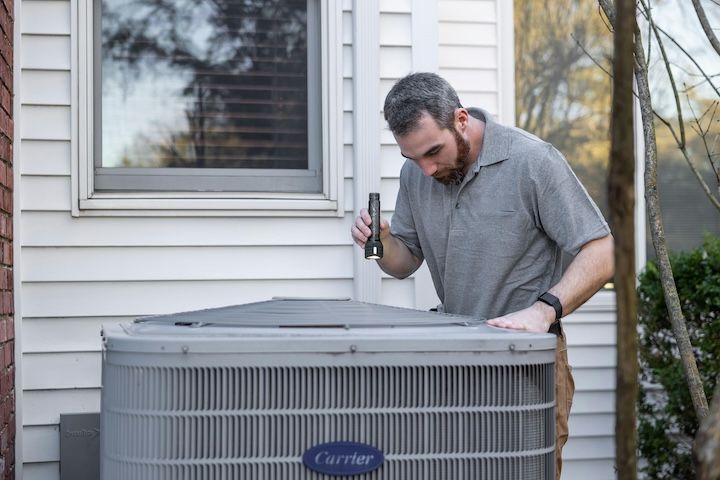
Routine inspections assist in identifying these issues early. Technicians examine air handlers and evaporator coils, and they tighten connections and replace worn parts before they cause larger disruptions. This proactive approach helps minimize emergency service calls and extends the time between major repairs.
Preventative maintenance programs support system reliability. By scheduling regular service visits, residential and commercial owners can keep their upgraded HVAC systems consistently inspected. Some professionals offer programs that include cleaning, testing, and system diagnostics, helping reduce mechanical strain. Maintenance plans also create a documented service history; this tracks system performance and identifies recurring issues.
4. Extended System Lifespan
Upgraded systems align more closely with manufacturer requirements, and units that operate under less strain and receive regular maintenance can have a longer lifespan. When components are properly maintained through lubrication, cleaning, and calibration, they stay within their intended performance range. This reduces wear and tear and helps delay the need for major replacements.
Newer HVAC systems can also support optional upgrades such as smart thermostats, air cleaners, and humidity control systems. These enhancements improve functionality and allow for more precise control over heating and cooling operations. When integrated correctly, these features work alongside the main system to improve efficiency and maintain consistent performance over time.
Upgrade Your HVAC System
Upgrading your HVAC system provides several benefits, including improved energy efficiency and balanced airflow. Preventative maintenance and updated components reduce the risk of breakdowns and support a longer system lifespan. These systems also offer compatibility with advanced controls and system enhancements; this can further improve performance and efficiency. At C&C Service, we provide service agreements for preventative maintenance and upgraded HVAC systems. Explore our website or contact our team today to learn more about our services and installation processes.