Choosing the Right Residential Heating Services for Your Home

Selecting the right residential heating services makes sure that a system operates efficiently, and it helps address issues before they lead to larger problems. From routine maintenance and timely repairs to new system installations, professional HVAC providers offer a range of services designed to support reliable heating performance. At C&C Service, we assist homeowners in matching the heating system to their household needs and long-term energy goals. Here’s how to choose the right residential heating services for a home:


Evaluate the Heating Services 

When choosing a residential heating service provider, it’s key to review the full scope of services. Heating systems require different types of support throughout their lifespan, and this includes installation, repairs, inspections, and system upgrades. A company that provides a complete range of services can help with long-term system management.

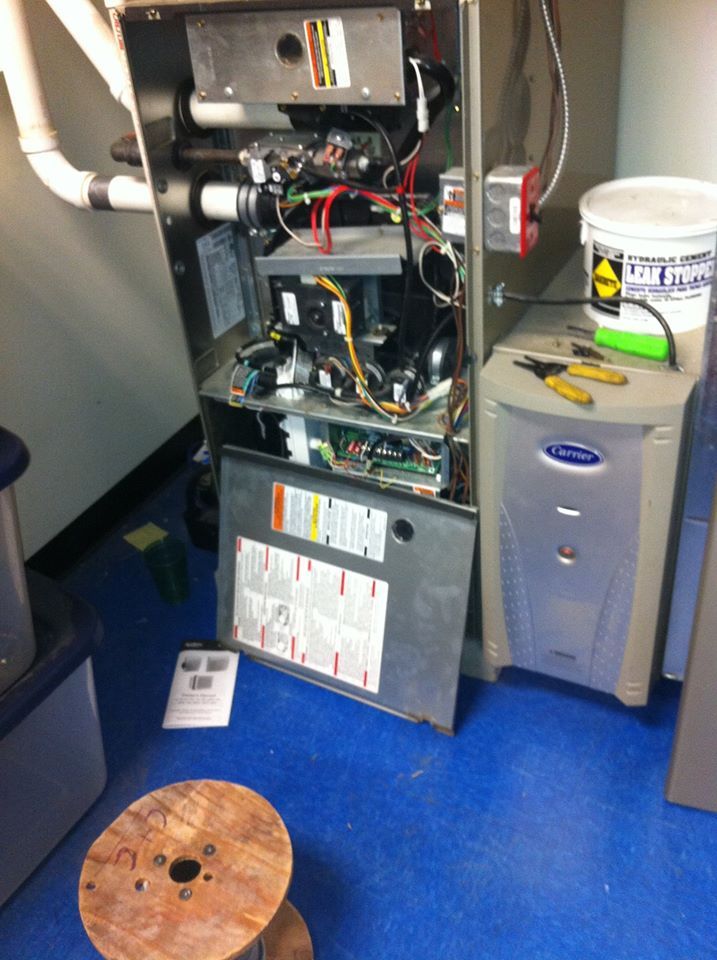
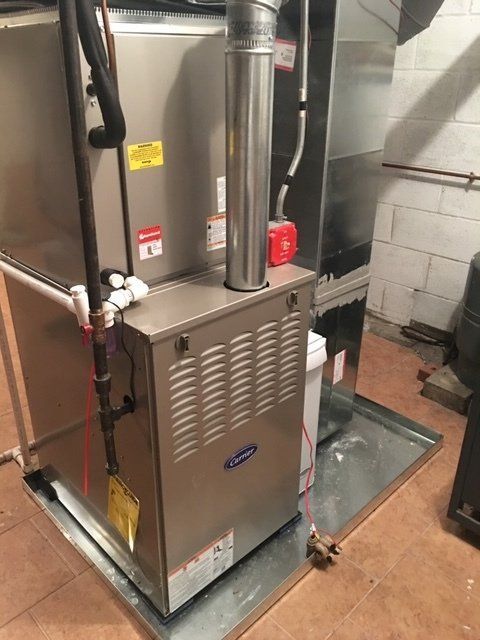
Many residential HVAC providers install and service equipment such as furnaces. During installation, technicians connect the unit to ductwork, electrical systems, and thermostats, and they verify that each room receives adequate airflow. Proper installation makes sure that the heating system distributes warm air evenly throughout the home. 

A full-service heating company may also help homeowners evaluate whether their current system meets modern efficiency standards. Older units often require more energy to operate, and upgrading to a newer model helps improve performance. At C&C Service, we provide heating systems for residential homes for repair, maintenance, installation, and more.


Prioritize Preventative Maintenance Programs

Heating systems contain mechanical parts, electrical components, and ventilation systems that work together to produce and distribute heat. Without regular maintenance, minor issues can lead to reduced efficiency or system failure. During routine maintenance visits, HVAC technicians inspect key components, and this includes filters and thermostats. They also review internal components, check gas supply connections, and verify that the system produces consistent heat throughout the home. Maintenance services often include a variety of system checks and adjustments, including:


  • Replacing or cleaning air filters to maintain proper airflow
  • Tightening electrical connections and inspecting wiring
  • Cleaning burners, flame sensors, and other internal components
  • Inspecting pilot lights and ignition systems
  • Checking thermostat settings and system calibration
  • Examining ductwork and vents for airflow restrictions


These procedures make sure that the system operates correctly, and they help prevent unnecessary strain on components. Scheduling maintenance regularly allows technicians to identify worn parts. They inspect airflow issues or thermostat problems before they cause larger operational disruptions.


Look for Heating Repair Services

Choosing a heating service provider that offers repair services makes sure that mechanical problems are resolved. Technicians are trained to diagnose a variety of issues, ranging from airflow restrictions to ignition system failures. Some signs that a heating system requires service include unusual noises, inconsistent airflow, or repeated on-and-off cycling. These symptoms sometimes indicate problems such as clogged filters, and other signs involve worn components or ductwork issues. 

Homeowners may notice that certain rooms remain colder than others or that warm air is not flowing from the vents. These conditions signal problems within the heating unit or the ventilation system. Some HVAC providers offer 24/7 repair support; this addresses unexpected system failures that occur outside standard service hours.


Review Heating System Installation

Selecting the right equipment is another key aspect of residential heating services. Various homes require different types of heating systems depending on their size, insulation, and ductwork configuration. Professional HVAC contractors help evaluate these factors, and they can recommend suitable equipment.

Some modern heating products include energy-efficient furnaces and heat pumps; these are designed to meet current ENERGY STAR® standards. They help deliver consistent heating performance while using less energy than older equipment. During the installation process, technicians configure the unit, connect electrical components, and test the system. Proper sizing and installation help make sure that the system heats each room evenly and functions according to manufacturer specifications. At C&C Service, we offer multiple heating product options that allow homeowners to compare equipment features with their existing HVAC setup.


Use Residential Heating Services

Choosing the right residential heating services involves maintenance capabilities. Homeowners benefit from working with HVAC professionals who can install new systems, perform preventative maintenance, and diagnose mechanical issues when they arise. Routine inspections and properly installed equipment all contribute to efficient heating system operation. By selecting a heating service provider that offers comprehensive support, homeowners can maintain reliable heating performance throughout the life of their system. At C&C Service, we offer heating units, installation setups, maintenance, repairs, and more; contact us today to learn about our residential heating services.
April 23, 2026
You may require a new or replacement HVAC to cool your home more effectively. C&C Service offers installation services for residential and commercial spaces. Here is more information about the steps involved in a professional HVAC installation: Space Evaluation A professional contractor will inspect your home before HVAC installation . This helps determine the type and size of system you need for even airflow; having a correctly sized system that meets your household’s needs prevents energy loss. Technicians at C&C Service perform visual inspections and utilize digital tools to see the current duct layout, check air return placement, and find rooms with uneven temperatures. Ductwork may need to be repaired or adjusted before system setup to meet your household’s needs. Component Installation During the installation, a professional contractor will set up all the parts in the system. This includes anchoring indoor and outdoor units. To help with this process, trim shrubs and clear the surrounding area of leaves and debris. This provides enough space for airflow, and it makes it easier for installers to position the unit. An experienced installer will connect the electrical wiring and route refrigerant lines. They also secure insulation. They will make sure that duct connections are airtight, sealing any loose joints. Working with a professional contractor, such as C&C Service, means that they make sure that everything is installed correctly throughout the process. The installer will verify the connections and thermostat connections, and they will utilize temperature checks to make sure that the refrigerant levels are correct. They also test the drain lines to prevent possible water damage. Final Inspection After assembly, the contractor takes static pressure readings and checks airflow to make sure that the system is working according to design parameters. A thorough, final inspection is performed to prevent oversights. The inspection includes: Checking connection points Verifying clearance of heat exchangers and coils Confirming sensor placement Making sure that everything is installed correctly helps reduce mechanical issues in the future. This prevents larger repairs and extends the life of the system. Our team also provides maintenance services to check the electrical connections, thermostat, and coils. System Review Some professional contractors will review how the system works with you. This information allows you to learn how to use and maintain your system. If you have a programmable thermostat, learn how to utilize it. Knowing appropriate air filter sizes and how often to change them helps preserve air quality in your home. You can also ask about how to balance zones and what to expect during the adjustment period. Having the model, serial numbers, and documentation makes it easier to discuss future maintenance requirements.  Schedule Your HVAC Installation Working with a professional contractor provides quality installation and homeowner education to keep your system running correctly. C&C Service recommends appropriate systems that fit your household's needs. As part of our preventative maintenance plan, we offer seasonal tune-ups. Emergency services are also available to repair your system. To schedule your HVAC installation, we invite you to contact us today.
April 23, 2026
An HVAC unit plays a key role in system performance, energy use, and long-term functionality. Some systems operate more efficiently; they may have updated components and comply with current maintenance standards. When paired with professional installation and regular servicing, an upgraded system helps improve airflow, reliability, and operational efficiency. At C&C Service, we offer updated HVAC systems and maintenance service plans for both homeowners and commercial properties. Here are several benefits of upgrading your system: 1. Improved Energy Efficiency Upgrading your HVAC system helps improve energy efficiency. Older systems may struggle to maintain consistent temperatures when components like coils, filters, or refrigerant levels are no longer functioning as they should. The system works harder and consumes more energy over time, and this leads to higher utility readings. Newer systems operate within updated efficiency standards; this means they require less energy for the same output. When components, such as evaporator coils and condenser units, are clean and calibrated, the system does not need to overcompensate. Services like checking refrigerant levels and inspecting electrical connections help maintain proper system operation. They also prevent unnecessary energy consumption. At C&C Service, our team can identify dirt buildup and worn parts to recommend a repair or system upgrade. Regular servicing makes sure minor issues are corrected early; this prevents the system from working harder than necessary. These improvements help provide stable operating performance, sustaining the system, whether new or old. 2. Consistent Heating and Cooling Another benefit of an upgrade is consistent temperature control. Some older systems may produce uneven results, where certain rooms heat or cool at different times and rates. This inconsistency is sometimes caused by airflow restrictions, aging components, or an outdated system design. An upgraded system delivers balanced airflow and maintains stable temperatures. During maintenance, technicians recalibrate thermostats, inspect motors and fans, and make sure vents function properly. These steps help reduce performance gaps, and they keep the system operating within its intended range. Blocked filters or failing components can disrupt circulation. Professional maintenance checklists include inspecting fans, motors, and vents to confirm that air moves efficiently throughout the system. When airflow is properly managed, the system can distribute hot and cold air evenly, and this helps keep rooms regulated without abnormal fluctuations. 3. Reduced Risk of Breakdowns Installing new or upgraded systems helps reduce the likelihood of unexpected breakdowns. System failures may start as small mechanical issues, such as loose electrical connections, clogged filters, or worn components. These minor problems sometimes escalate into significant repairs; other situations involve complete system failures. Routine inspections assist in identifying these issues early. Technicians examine air handlers and evaporator coils, and they tighten connections and replace worn parts before they cause larger disruptions. This proactive approach helps minimize emergency service calls and extends the time between major repairs. Preventative maintenance programs support system reliability. By scheduling regular service visits, residential and commercial owners can keep their upgraded HVAC systems consistently inspected. Some professionals offer programs that include cleaning, testing, and system diagnostics, helping reduce mechanical strain. Maintenance plans also create a documented service history; this tracks system performance and identifies recurring issues. 4. Extended System Lifespan Upgraded systems align more closely with manufacturer requirements, and units that operate under less strain and receive regular maintenance can have a longer lifespan. When components are properly maintained through lubrication, cleaning, and calibration, they stay within their intended performance range. This reduces wear and tear and helps delay the need for major replacements.  Newer HVAC systems can also support optional upgrades such as smart thermostats, air cleaners, and humidity control systems. These enhancements improve functionality and allow for more precise control over heating and cooling operations. When integrated correctly, these features work alongside the main system to improve efficiency and maintain consistent performance over time. Upgrade Your HVAC System Upgrading your HVAC system provides several benefits, including improved energy efficiency and balanced airflow. Preventative maintenance and updated components reduce the risk of breakdowns and support a longer system lifespan. These systems also offer compatibility with advanced controls and system enhancements; this can further improve performance and efficiency. At C&C Service , we provide service agreements for preventative maintenance and upgraded HVAC systems. Explore our website or contact our team today to learn more about our services and installation processes.
April 23, 2026
Heating emergencies can occur at any time due to equipment failures, electrical issues, or prolonged system wear. C&C Service provides 24-hour emergency heating repair solutions; this helps prevent extended system downtime. Here is information about what to do during a heating emergency: Recognizing the Warning Signs Several signs indicate that your furnace is struggling to heat your home properly. Learning to recognize these signs will allow you to catch minor issues early on and schedule immediate repair services. A few signs to watch for include: Furnace not turning on No heat during freezing temperatures Burning or gas odors Loud or unusual noises Rapidly dropping indoor temperatures  If you notice any of these issues, contact repair professionals and take proper steps to keep your family and yourself safe. If you smell gas, turn off the heating system; gas leaks are dangerous if they progress too far, and your family may need to vacate the house temporarily. For other heating issues, turn the unit off and utilize space heaters until professional technicians resolve the problem. Troubleshooting Simple Issues Some heating problems are easily resolved without professional help. Check the thermostat settings and replace the batteries if needed. Resetting the breaker may also resolve any heating inconsistencies. Check the air filter for buildup, and make sure all the vents are open and unobstructed. Performing these minor DIY fixes can sometimes help quickly restore heating performance. Hiring Emergency Heating Repair Professionals If your system is not functioning and you cannot identify the reason why, reach out to an emergency heating repair professional. When a technician arrives, they will perform a system inspection and diagnostic process; this involves checking the thermostat, circuit breakers, electrical connections, and more. They also evaluate the furnace components, like the blower motor and heat exchanger. Using professional tools, they measure voltage, airflow, and temperature differences within the system to pinpoint the cause of the furnace failure. After they determine the cause of the problem, the technician will discuss specific repair options with you. Emergency repairs often involve issues like a faulty igniter, a clogged air filter that caused overheating, or a worn blower motor capacitor. Some repairs involve cleaning or resetting components; other solutions require replacing small parts to improve performance. If your system needs new components, the technician may install them during the same visit if they have the parts on hand. Repair timelines depend on the complexity of the issue. Some furnace parts may need to be ordered from a manufacturer. An electrical repair often takes a few hours, while diagnosing airflow or mechanical problems sometimes requires more time. Taking care of an issue promptly will also help prevent related household issues; extended heat loss during cold weather can lead to problems like frozen pipes. The technicians at C&C Service will work quickly to diagnose and address your furnace problem. Fast repairs help prevent home heat loss and strain on your system when it turns back on. Preventing Future Heating Emergencies After a technician repairs your heating unit, take proper precautions to make sure the system does not break down again in the near future. Regular furnace maintenance is an effective way to promote optimal system performance; during tune-ups, technicians inspect and clean components like air filters, electrical connections, and vents. They also make sure the pilot light and flame sensors are functioning properly. Replacing air filters is a key step in furnace maintenance; filters help to collect dirt and dust particles that would circulate through your home. Clogged filters also restrict airflow, which forces the furnace to work harder than normal. This increases the risk of overheating or breakdowns. Along with replacing air filters, technicians also confirm that your system is functioning well before colder weather arrives. Preseason inspections allow them to catch minor problems, and these checks make sure your unit provides consistent heating throughout your home. Work With Heating Repair Experts C&C Service provides installation, repair, and maintenance services for HVAC units. If you notice any irregularities in your furnace performance, seek professional assistance; this helps you avoid disruptions during the colder months of the year. Fluctuating temperatures, weak airflow, and frequent system cycling all indicate a problem that needs attention. Contact our team today to get a quote on our heating repair services.
April 2, 2026
Reliable climate control helps keep your home and its occupants comfortable throughout the year. Understanding the basics of heating and cooling equipment allows you to recognize when a professional service is required. At C & C Service, our technicians help homeowners understand their systems, and we deliver professional installations that match the specific needs of your property. Here's some information about the basics of HVAC systems:  Understanding System Components Residential HVAC systems rely on several specialized components that work together, and each part plays a role in regulating your indoor climate. Heating equipment generates internal warmth during the winter. Cooling equipment removes excess heat from your indoor air during the summer. Ventilation units cycle the air through your vents, and they help stop odors or moisture from building up in closed rooms. Furnaces are often used for heating. They distribute warm air through metal ductwork. Boilers heat water instead of air, and they deliver warmth through radiators or baseboard systems. Air conditioners remove humidity from your indoor environment. They release captured heat through an external condenser unit. Heat pumps transfer existing heat rather than generating it from fuel. Air handlers move the conditioned air through vents, and they maintain a consistent air flow across the entire system. Thermostats control your temperature settings, which signal the equipment to turn on or off based on the real-time needs of your household. Modern programmable models allow for custom scheduling, which enables you to match the unique heating or cooling needs of your household. Evaluating Heating and Cooling Processes Heating and cooling rely on distinct mechanical processes and work together to maintain a stable indoor environment. A furnace creates heat through combustion or electrical resistance. This thermal energy is transferred to the air. The heated air is pushed through ducts into your living spaces, and it replaces colder air to raise the overall temperature. Air conditioning systems use chemical refrigerants to absorb and release heat. Indoor coils pull thermal energy directly from the air. Outdoor coils release that heat outside your home, which continues until your thermostat reaches the target setting. This process also removes moisture, and it prevents your home from feeling humid during the summer months. Ventilation removes stale air while bringing in filtered air when needed. Balanced air flow can improve your indoor air quality, and it helps maintain consistent temperatures across every room in your house. Additional ways heating and cooling systems work include: Blower assemblies use fans to circulate air, and they allow treated air to reach all areas of your property. Return ducts pull air from your rooms back into the system, and this creates a continuous loop of filtration and temperature adjustment. Flue pipes exhaust combustion byproducts from your furnace, which may prevent carbon monoxide from entering your living areas. Confirming Proper Installation Correct installation affects long-term system performance, as improperly sized equipment may create regulation problems. Oversized units sometimes cycle on and off too frequently. This reduces overall energy efficiency while increasing mechanical wear. Undersized systems may run constantly. They often struggle to maintain a steady temperature during extreme weather. Professional installation allows your equipment to match the specific size and layout of your home. Proper duct configuration also supports even airflow. Secure connections prevent air leaks and energy loss, and correct calibration allows the system to respond accurately to your thermostat settings. Maintaining System Performance Consistent care helps extend the total lifespan of your HVAC machinery. Air filters should be checked regularly. Clogged filters restrict the system's airflow, and this forces the motor to work harder. Extra strain may increase wear on sensitive internal components. Clean filters maintain proper circulation, which supports higher indoor air quality by trapping airborne particles. Professional inspections evaluate mechanical parts. Technicians look for early signs of corrosion or metal fatigue. They check refrigerant levels during these visits, and they may test electrical connections for fire safety. Proper lubrication helps moving parts operate smoothly. Calibrated controls maintain accurate temperature regulation across your thermostat settings. At C&C Service, our technicians perform preseason inspections, which help identify developing issues before they escalate into bigger repairs. Explore Professional HVAC Support Today Understanding how HVAC systems operate allows homeowners to make informed decisions about long-term maintenance, and prompt professional evaluations can identify the source of any issues. At C & C Service, our experienced technicians provide knowledgeable support designed to keep your machinery running smoothly. Contact C & C Service today to learn how professional HVAC solutions can help maintain your property's comfort in every season.
By Nicole Tatlock April 2, 2026
When an HVAC system is properly installed, it operates at peak efficiency. It helps maintain consistent indoor temperatures, and this reduces unnecessary energy consumption. Improper installation can lead to air leaks and short cycling. At C & C Service, our team uses correct sizing, precise setup, and ongoing maintenance to make sure systems operate as designed. Here’s how proper HVAC installation improves energy efficiency:  Correct System and Load Calculations HVAC installation requires accurate load calculations. This process evaluates factors such as square footage, insulation levels, window placement, and air leakage. It also includes local climate conditions, and this helps to determine the appropriate system capacity. When a system is too large, it may cycle on and off frequently, known as short cycling. An issue like short cycling wastes energy, increases wear on components, and reduces humidity control during cooling seasons. An undersized system runs continuously in an attempt to maintain temperature; this leads to excessive energy use. Professional installation makes sure that heating and cooling equipment match the demands of the home. Correct sizing allows the equipment to maintain steady operation and reduce energy waste, and this delivers consistent performance throughout the year. At C & C Service, our team focuses on installing properly sized systems that operate efficiently. Proper Ductwork and Airflow Optimization Improper duct installation can result in energy loss due to leaks and poor airflow distribution. When conditioned air escapes into attics, crawl spaces, or wall cavities, the system must work harder to achieve a specific temperature. Professional HVAC installation addresses duct layout and insulation, helping to minimize air leakage. Properly sealed ducts prevent energy waste, and a balanced airflow makes sure that each room receives the correct volume of heated or cooled air. This prevents temperature inconsistencies that often cause homeowners to adjust thermostats unnecessarily. Proper installation enables the HVAC system to support energy efficiency through installation; the quality accounts for airflow dynamics and system performance. When ductwork is installed and sealed correctly, the heating and cooling system operates under optimal pressure conditions. This helps improve the equipment's lifespan. Equipment Calibration and System Configuration Proper system configuration includes calibrating thermostats, verifying refrigerant levels, and setting airflow speeds. This helps make sure that electrical connections are secure, and it maintains equipment compliance with manufacturer specifications. An incorrect refrigerant charge can reduce cooling efficiency. Too much or too little refrigerant forces the compressor to work harder, increasing energy use and shortening equipment life. Improperly configured blower motors disrupt airflow, and this causes uneven heating or cooling. Professional installation makes sure that all system components function as an integrated unit. Technicians performing residential services help fine-tune equipment for maximum efficiency. Proper calibration allows the system to operate within its intended performance range, and this reduces unnecessary energy loss. Modern HVAC systems often include programmable or smart thermostats. When installed correctly, these devices help regulate energy use by optimizing heating and cooling cycles based on occupancy patterns and seasonal needs. Proper setup allows homeowners to benefit from advanced efficiency features. Ongoing Maintenance and Installation Efficiency Regular maintenance addresses issues before they escalate. Issues may include dirty filters, which restrict airflow and force the system to consume more energy. Any debris on coils reduces heat-transfer efficiency and can increase operational strain. Routine service includes: cleaning coils inspecting electrical components checking refrigerant levels replacing filters testing system performance Technicians offer preventative maintenance and air conditioning services, and these are designed to support long-term system performance. These programs help identify small inefficiencies early, preventing them from developing into energy waste. Maintenance keeps systems current with the manufacturer's efficiency standards. During seasonal inspections, professionals may review burners, heat exchangers, and safety controls. This makes sure they operate correctly and reduce unnecessary strain on components. Use Professional HVAC Installation Services Energy efficiency includes a correct system design, installation, and maintenance. Proper sizing prevents excessive cycling, and a well-designed ductwork minimizes air loss. Professional HVAC installation makes sure that every stage of the process contributes to reduced energy consumption and optimized system output. By combining expert residential heating services, air conditioning maintenance, and preventative maintenance programs, technicians support homeowners in maintaining performance year-round. Contact one of our team members at C & C Service for our heating and cooling systems. We’ll make sure it’s installed properly for maximum efficiency.
January 27, 2026
Heating and cooling systems work constantly throughout the year, and small mechanical problems often develop before a complete breakdown occurs. Homeowners may overlook these early warning signs. This delay can lead to a sudden system failure. At C & C Service, we specialize in comprehensive HVAC maintenance services.
January 13, 2026
If your old system has worn out, or if you have moved into a new home, you may require a new HVAC system. C & C Service offers professional HVAC installation services for residential and commercial spaces. Here are several reasons why you should choose professional HVAC installation:
December 16, 2025
A maintained HVAC system keeps your home comfortable through every season , and regular inspections help it run efficiently. Heating and cooling inspections catch early problems before they escalate , and they a llow for consistent system performance. At C & C Service, we specialize in professional HVAC services and ro
November 20, 2025
Preparing for an HVAC installation involves various steps, including ductwork and equipment placement.  This makes sure that the system performs correctly once it is installed.
October 27, 2025
Regular maintenance after HVAC installation helps keep your new system in good condition, allowing your home to remain at a comfortable temperature.